Roof Types — Metal Roofing
Metal Roofing Contractor In Fort Lauderdale
Standing seam and metal panel roofing built for maximum wind uplift resistance and long-term durability across Broward, Miami-Dade & Palm Beach counties.
★★★★★ 4.8
GOOGLE · 106 REVIEWS
Local & Family Owned
SINCE 2013
ShingleMaster
CERTAINTEED, GAF & IKO SHINGLES
GAF Certified
CERTIFIED ROOFING CONTRACTOR
Licensed
CCC1331129 / CBC1259476
No Deposit Required — You Only Pay When You’re Satisfied
What Is Metal Roofing?
Metal roofing — most commonly standing seam panels — is a long-lasting, low-maintenance roofing system fastened in continuous interlocking panels. It offers among the highest wind uplift ratings of any residential roofing material and reflects solar heat, which can meaningfully reduce cooling costs in South Florida’s climate.
Who Metal Roofing Is Right For
- Homeowners prioritizing maximum wind resistance and longevity (40–50+ years)
- Properties looking to reduce cooling costs through solar reflectivity
- Coastal properties needing top-tier HVHZ wind performance
South Florida Considerations
Metal roofing performs exceptionally well in South Florida’s wind and heat, but panel fastening detail, seam sealing, and proper flashing at penetrations are critical to prevent wind-driven rain intrusion during storms. Galvanic corrosion can occur where dissimilar metals meet, and coastal salt air makes coating quality and proper metal gauge selection important considerations.
Metal Roofing — In Depth
Standing Seam vs. Metal Panel Systems
Standing seam metal roofing uses raised, interlocking vertical seams that conceal all fasteners beneath the panel surface — this is the premium, most weather-resistant metal roofing style and the one most commonly installed on South Florida homes today. Exposed-fastener metal panel systems cost less but rely on screws through the panel face, which need periodic re-torquing and sealant maintenance as gaskets age.
Metal Roofing Materials & Coatings
Steel and aluminum are the two most common substrates — aluminum resists coastal salt-air corrosion especially well, while steel offers strength at a lower cost. Most systems use a factory-applied paint or coating (often Kynar-based) that provides UV resistance and color retention far beyond a typical asphalt roof, along with the reflective properties that help reduce attic heat.
Wind Performance & Why It Matters Here
Metal roofing’s continuous panel structure and mechanical fastening give it among the highest wind uplift ratings of any residential roofing material — a meaningful advantage under South Florida’s HVHZ code requirements. Proper installation detail at ridges, eaves, and penetrations matters as much as the panel system itself for actually achieving that wind performance in practice.
Maintaining A Metal Roof
Metal roofs are comparatively low-maintenance, but periodic inspection should check for loose fasteners on exposed-fastener systems, sealant condition at penetrations, and any signs of galvanic corrosion where dissimilar metals meet (such as a copper vent stack against a steel panel). Keeping gutters clear prevents debris buildup that can trap moisture against panel edges.
Repair Or Replace? Decision Factors
Repair usually makes sense when:
A seam has loosened, a single panel is damaged, or flashing at a penetration has failed — the rest of the system is sound.
Replacement usually makes sense when:
Multiple panels show corrosion or damage, fastener systems are failing broadly, or the roof is well past the point where isolated repair is cost-effective versus a 40–50+ year replacement.
Common Questions
Metal Roofing, Answered Directly
Customer Reviews
What Fort Lauderdale Residents Are Saying
★★★★★ 4.8 out of 5 · 106 Google reviews
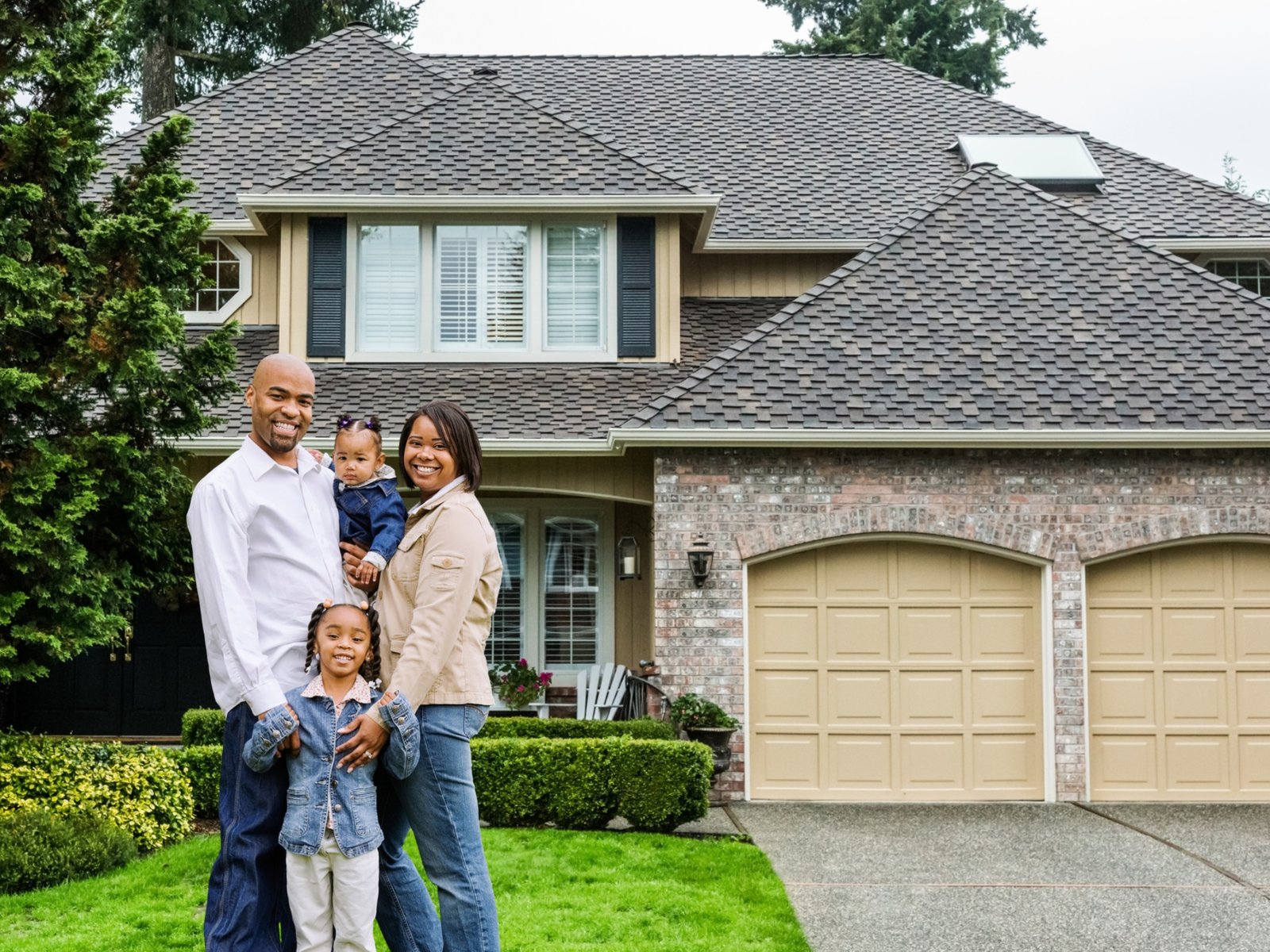
“Ricketts handled our roof repair after a bad storm and made the whole process easy — showed up when they said they would, explained what was actually wrong, and kept the property clean every day. Would recommend them to anyone in South Florida.”
A RICKETTS CONSTRUCTION CUSTOMER
Get A Free Quote